With the introduction of rising interest rates, many Landlords are finding themselves at a financial stalemate.
Figures show that (23%) almost one in five new investors are recording gross yields of around 8%, which was 12% higher in 2015. Areas like London show a dramatic decrease in gross yields, standing at around 4.9%.
With interest rate hikes, this is likely to decrease margins, especially if mortgages are on variable rates.
- What does this mean for Landlords?
- What is the impact on the Private Renting Sector?
- What can Landlords do to protect themselves against rising interest rates?

What does this mean for Landlords?
Many Landlords are looking to invest in areas outside of London due to the poor yields that their buy to lets provide.
This year, the stats have recorded a whopping 66% of property investors based in London branching further afield, with many buying property outside of the capital.
This, over the course of 10 years, has tripled. The figures used to stand at around 26%!
What is the impact on the Private Renting Sector?
Figuratively, there’s now a higher level of competition outside of the capital, where property businesses centred in London are more likely to win due to having a larger sum of money to financially invest.
This is due to poor yields from capital-centred properties.
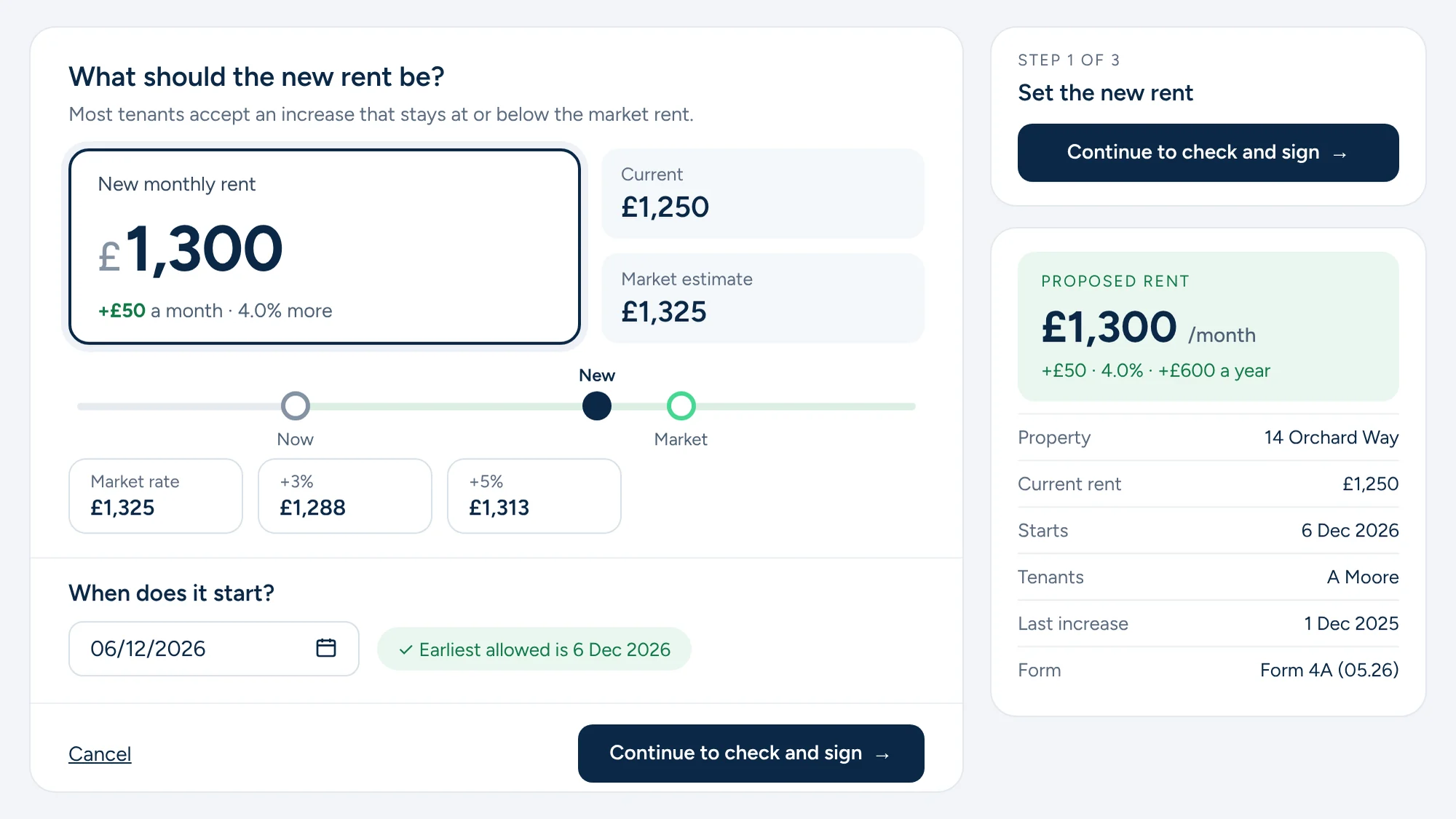
On top of that, Landlords who are finding that their properties are yielding less are more likely to increase rental costs, meaning it could be harder to find tenants and even harder to maintain profitability.
With the introduction of the Mini Budget, rental growth may also stagnate amongst smaller Landlords with the market now heavily benefiting those with larger portfolios.
Legislative changes are also making it harder. With the introduction of Section 24, Landlords are no longer able to fully offset their mortgage interests, meaning the costs involved are now applying pressure to existing Landlords more than ever before.
What can Landlords do to protect themselves against rising Mortgage Interest Rates?
In an effort to combat inflation, the Bank of England announced an increase to interest rates which could make repayments more expensive for Landlords on variable Buy-To-Let mortgages.
The surge from 1.25% to 1.75% is the highest seen in years and could increase interest repayments by over £40 per month for every £100,000 borrowed.
Some options for Landlords consist of:
- Paying off existing mortgage debt and waiting for rates to come down again.
- Fixing your mortgage on a longer time frame of 5 to 10 years if possible.
- Monitor expenses and rising costs more effectively.
- Increase rental costs where applicable.
- Take out Rent Guarantee insurance to ensure your income is protected.
When managing rising costs, utilities could be a good place to start! To learn more about saving money on energy bills, click here.
Subscribe to our Newsletter
Get the latest property news, tips, tricks and advice straight to your inbox for absolutely free.
Next steps
Try Alphaletz free for 14 days, no credit card needed, or watch our 10-minute demo of the new Alphaletz system.